
When people talk about making their own power, they usually mean one of two setups. Choosing between them shapes your equipment list, budget and paperwork.
Grid-tied systems
A grid-tied system stays connected to your utility. Your home uses your own power when it's available and draws from the grid when it isn't. In many areas, surplus power can be credited back. Grid-tied setups usually need fewer batteries, but they must meet utility interconnection rules and local codes.
Off-grid (stand-alone) systems
The U.S. Department of Energy describes stand-alone systems as not connected to the grid. They often combine several technologies, such as solar plus wind or a backup generator, to stay reliable. They need batteries, a charge controller, power conditioning, safety equipment and meters. DOE notes this "balance-of-system" equipment can make up a large share of total cost.
Which fits you?
Grid-tied suits
- Typical suburban homes
- People who want lower bills without changing habits
- Sites with good utility access
Off-grid suits
- Remote cabins and land
- RVs, sheds and workshops
- Small, dedicated loads
Start small and learn
Many DIYers start with a small stand-alone project, like powering a shed light or charging station, to learn the basics before considering anything larger. DOE planning guidance recommends analyzing your loads and checking local codes before buying equipment.
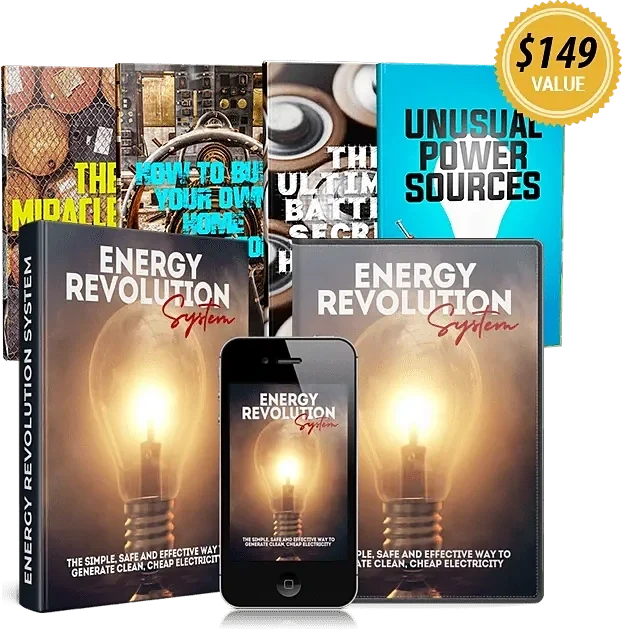
See the complete Energy Revolution System package
Main guide, video and mobile editions plus four bonus guides, covered by a 60-day money-back guarantee.
View the OfferKeep reading
- Watts vs. Kilowatt-Hours: A Plain-English Guide
- How to Read Your Electric Bill and Find Where Power Goes
- Build a Safer Backup Power Plan Before the Next Outage
- Battery Storage Basics for DIY Energy Projects
- How to Judge Home Energy Claims Before You Buy
Explore the focus areas, see what's inside Energy Revolution System or visit the FAQ.
