
Batteries turn intermittent power into power you can use on demand. They also store a lot of energy in a small space, so they deserve respect.
Key terms
- Voltage (V): the electrical "pressure"; common DIY systems run at 12 V, 24 V or 48 V
- Capacity (Ah or Wh): how much energy the battery stores; Wh = Ah × V
- Depth of discharge: how much of the capacity you use before recharging
- Cycle life: how many charge and discharge cycles a battery lasts
Supporting equipment
The U.S. Department of Energy lists the balance-of-system components for stand-alone systems: batteries, a charge controller to prevent overcharging, power conditioning equipment such as an inverter, safety equipment and meters. Skipping the charge controller or fuses is one of the most common and dangerous beginner mistakes.
Sizing a small battery bank
Add up the watt-hours your loads need per day, allow for inefficiency and your chosen depth of discharge, then pick a capacity with some headroom. For example, a 10 W router plus 20 W of LED lighting for 8 hours needs about 240 Wh, before losses.
Safety essentials
- Fuse every positive lead close to the battery
- Use correctly rated cable and secure terminals
- Ventilate the area, especially with lead-acid batteries
- Keep metal tools away from battery terminals
- Follow the manufacturer's charging specifications
OSHA's electrical safety guidance is a good primer on shock, arc and fire hazards before you start wiring.
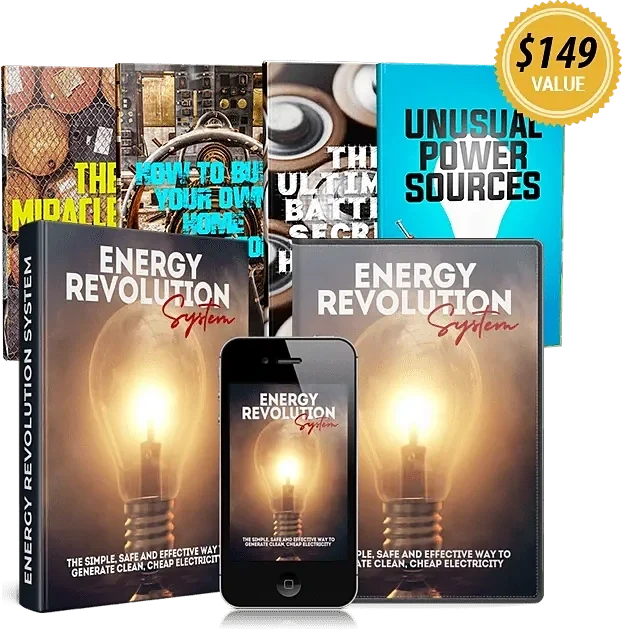
See the complete Energy Revolution System package
Main guide, video and mobile editions plus four bonus guides, covered by a 60-day money-back guarantee.
View the OfferKeep reading
- Watts vs. Kilowatt-Hours: A Plain-English Guide
- How to Read Your Electric Bill and Find Where Power Goes
- Build a Safer Backup Power Plan Before the Next Outage
- Off-Grid vs. Grid-Tied Home Energy: Key Differences
- How to Judge Home Energy Claims Before You Buy
Explore the focus areas, see what's inside Energy Revolution System or visit the FAQ.
